 University of Sussex
Robotic and Mechatronic Engineering
University of Sussex
Robotic and Mechatronic Engineering
- Level
- Undergraduate
- Award
- BEng
- Study mode
- Full time
- IELTS
- 6.0

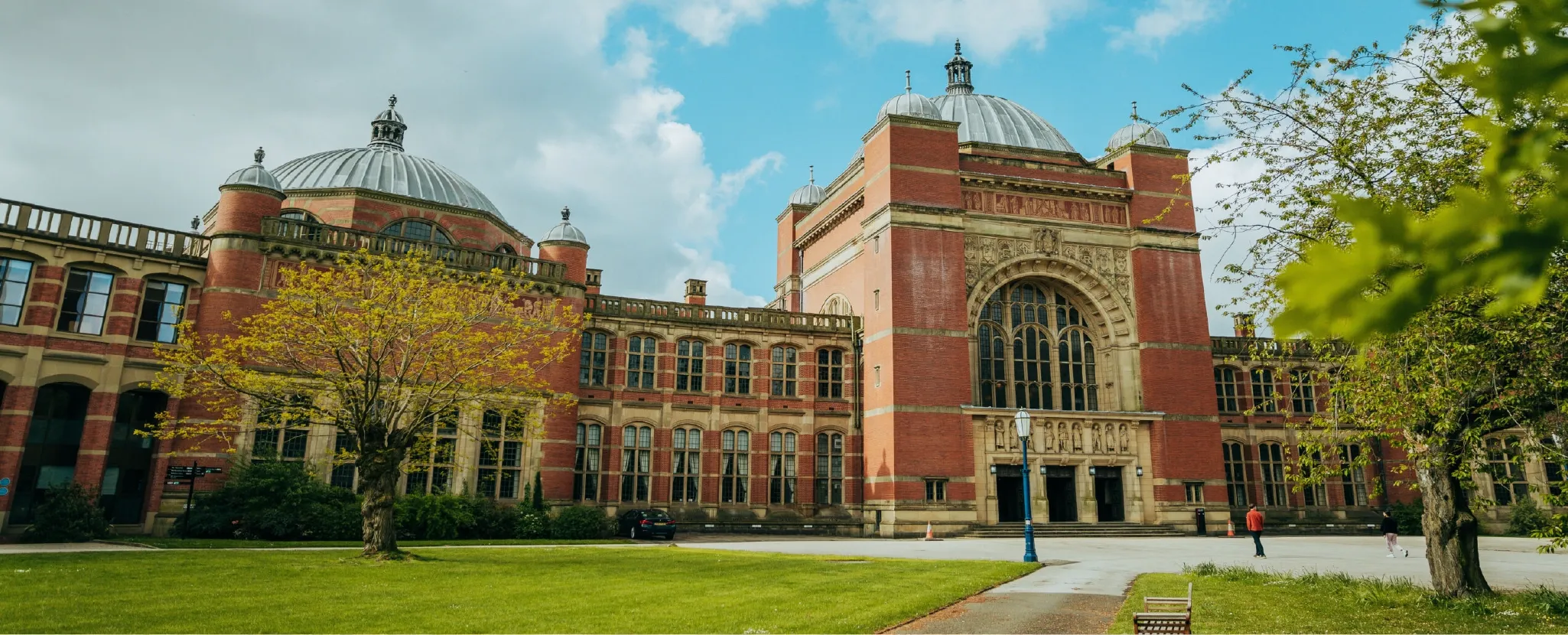
 University of Birmingham
Independent ListingStudy in UK does not act as an authorised representative of University of Birmingham. This university is listed for search, discovery and comparison purposes. Please verify admissions requirements and other material information through the university's official website.
Birmingham
Electronic and Electrical Engineering with Industrial Year is offered widely in the UK, so the useful comparison is between departments rather than between countries. It is a three year undergraduate degree, with the specialism widening as you move through the years.
Teaching in Electrical and Electronic Engineering splits the week between lectures, laboratory work and design sessions, and ends in an individual or group project.
The lowest English requirement we hold on this course is IELTS 6.0, and departments asking more than that usually expect a stronger academic record too.
Applications open around a year ahead of the intake. Getting the documents together early is what keeps the September date realistic.
The breadth here is an advantage: power, electronics, control and communications all hire from it. Demand in grid, renewables and defence electronics is particularly strong and shows no sign of easing.
Chartership through the IET, after an accredited degree and a logged period of professional development.
Not the university you were looking for? Tell us which one and we will come back to you on whether we can take your application there.
We work with 3 other universities in Birmingham, so settling on the place still leaves a choice inside it.
Send us your transcript and an adviser will tell you honestly where you stand.
University of Sussex
University of Sussex
 University of Brighton
 University of Essex
Tick two or more to put them side by side.
Tell us which one you were looking for and we will check whether we can take your application there.