Ecology and Wildlife Conservation (with integrated foundation year and placement year )
University of CumbriaIndependent ListingStudy in UK does not act as an authorised representative of University of Cumbria. This university is listed for search, discovery and comparison purposes. Please verify admissions requirements and other material information through the university's official website.Carlisle
Tuition per year£16,000 - £17,800university rangeThis is the fee range the university publishes for international students for a year at this level, not a price for this one course. Courses at the top of the range are usually the laboratory and studio ones, and a course with a year in industry or abroad is charged differently for that year. Ask us and we will confirm what the course you choose actually costs.
IELTS
6.0 level requirementThis is the English requirement the university publishes for study at this level, not one printed for this course. Most departments ask for exactly this and some ask for more, so it tells you what to aim at rather than what you will be asked for. Send us the course and we will confirm the requirement it actually sets, including any minimum in each paper.
Ecology and Wildlife Conservation (with integrated foundation year and placement year ) is taught at a number of UK universities, and the entry terms are set department by department rather than nationally. It is a three year undergraduate degree, with the specialism widening as you move through the years.
Teaching in Ecology and Environmental Biology is assessed through practical reports as well as written papers, and the lab component is what makes the timetable full.
The lowest English requirement we hold on this course is IELTS 6.0, and departments asking more than that usually expect a stronger academic record too. Tuition ranges from £16,000 to £17,800 a year depending on the department, which is a real difference over the length of the course.
Send us your transcript and English result and we will list the departments that would consider you, with the entry condition on each.
Entry requirements
English
IELTS 6.0 level requirementThis is the English requirement the university publishes for study at this level, not one printed for this course. Most departments ask for exactly this and some ask for more, so it tells you what to aim at rather than what you will be asked for. Send us the course and we will confirm the requirement it actually sets, including any minimum in each paper.
Careers opportunities
Laboratory research is only one of the routes out of a science degree and it is the one with the fewest posts. The larger destinations are industry, analysis, regulation and teaching, and a placement year is the single strongest thing on a science graduate's application.
Roles graduates go into
Research or laboratory scientist
Analytical or quality scientist
Technical or scientific officer
Data or research analyst
Regulatory affairs officer
Science teacher, with a teaching qualification
Where they work
Pharmaceutical, chemical and manufacturing companies
Contract testing and analytical laboratories
University and institute research groups
Government agencies and regulators
Environmental and public health bodies
After the course
A research post normally needs a doctorate, and a master's with a substantial project is the usual route into one. Chartered scientist status is the alternative for those staying in industry.
Fees and funding
Tuition, international students£16,000 - £17,800 university rangeThis is the fee range the university publishes for international students for a year at this level, not a price for this one course. Courses at the top of the range are usually the laboratory and studio ones, and a course with a year in industry or abroad is charged differently for that year. Ask us and we will confirm what the course you choose actually costs.
Not the university you were looking for?Tell us which one and we will come back to you on whether we can take your application there.

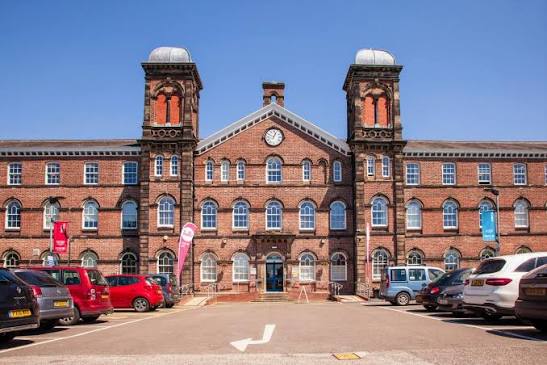
 University of Cumbria