Foundation yearThe first year is taught full time and carries 120 credits of preparatory modules.
Regional focusThe degree covers China, Japan and Korea.
Year abroadStudents have the opportunity to spend a year abroad.
Apply via UCASApplications are made through UCAS using code T301.
Overview
This course combines a foundation year with a degree in East Asian Studies. It is aimed at students whose entry qualifications are non-standard and who want solid preparation before degree-level study.
The foundation year covers a range of modules worth 120 credits, building academic and study skills along with subject knowledge. The degree that follows lets students shape their studies across China, Japan and Korea, and develop analytical and intercultural skills. A year abroad is also possible.
Teaching in the foundation year is run by the Lifelong Learning Team in the School of Education. Methods may include lectures, seminars, problem solving classes, field studies, tutorials, group work, online activities, revision workshops and laboratory sessions.
Progression into the School of Languages, Arts and Societies depends on meeting progression thresholds, which vary between courses and are discussed with applicants at interview. The page does not name specific careers.
Entry requirements
AcademicThe page lists A Levels ABB for the East Asian Studies BA and says the foundation year is for students with non-standard entry qualifications.
Career opportunities
Very few graduates are employed to translate full time, and the ones who are usually specialise in law, medicine or technology as well. What the market actually buys is a second language attached to another skill, so the strongest destinations pair the language with commerce, policy or teaching.
Roles graduates go into
- Translator or interpreter
- Localisation specialist
- International account or project manager
- Language teacher
- Policy or research officer
- Communications officer
Where they work
- Translation and localisation agencies
- International companies and their export teams
- Government departments and diplomatic services
- Language schools and universities
- Publishing and media
After the course
For translators, membership of the Chartered Institute of Linguists or the ITI. For teachers, a recognised teaching qualification on top of the degree.

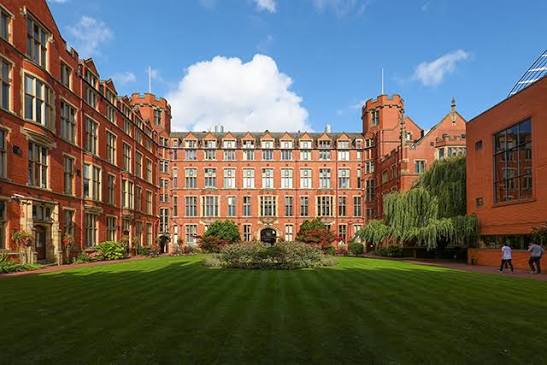
 University of Sheffield